Professional floor trap choke clearing to prevent water pooling and odours in your bathroom and kitchen areas across Singapore.
Floor trap chokes cause water to pool on bathroom and kitchen floors, creating dangerous slip hazards and unpleasant odours that indicate decomposing matter in the drainage system. Floor traps are critical components of the drainage system in Singapore homes that collect water from floor areas and direct it into the main drainage system. These blockages develop gradually from hair, soap scum, and debris accumulation in the floor trap over weeks or months. RedDot Emergency provides professional floor trap clearing to restore proper drainage and maintain hygiene in your wet areas. Floor traps require specialized knowledge—unlike sink drains or toilet systems, floor traps are accessed through floor-level openings and may be covered by floor finishes, making diagnosis more challenging. We have the expertise and tools to inspect, diagnose, and clear blockages efficiently. Water pooling on floors indicates the blockage is significant—allowing water to sit on bathroom or kitchen floors risks damage to flooring structure, electrical safety hazards if water contacts outlets or appliances, and mold growth in the floor void. We serve HDB units across neighborhoods including Punggol, Sengkang, and all other estates, as well as condominium units and private properties throughout Singapore.
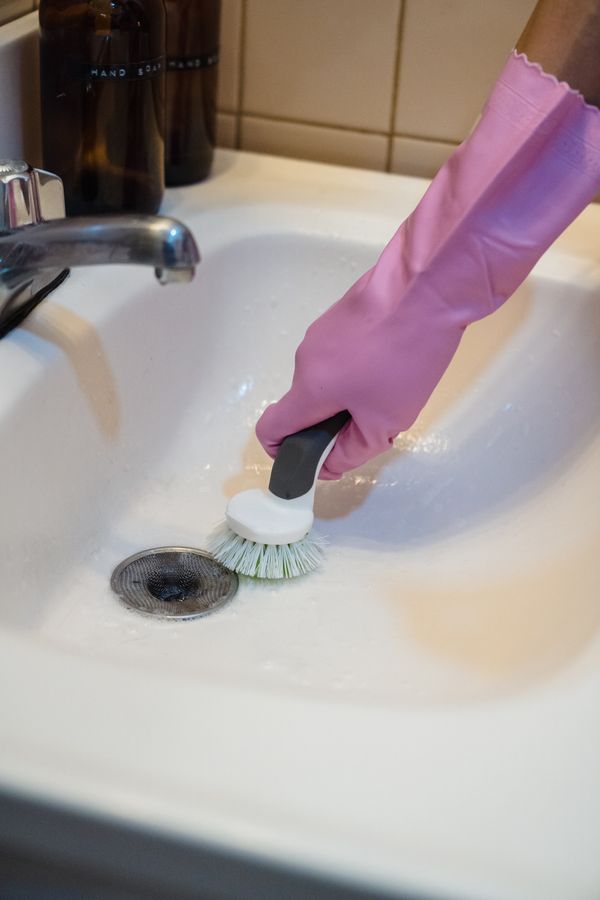
Water accumulates on bathroom or kitchen floors instead of draining properly through the floor trap. This creates immediate safety hazards including slip risks and potential water damage to flooring and the structure beneath. Water pooling indicates significant blockage that requires urgent professional attention.
Water drains very slowly through the floor trap—a shower taking 10+ minutes to drain instead of a few seconds. This indicates a partial blockage restricting water flow. Slow drainage worsens gradually until complete blockage occurs.
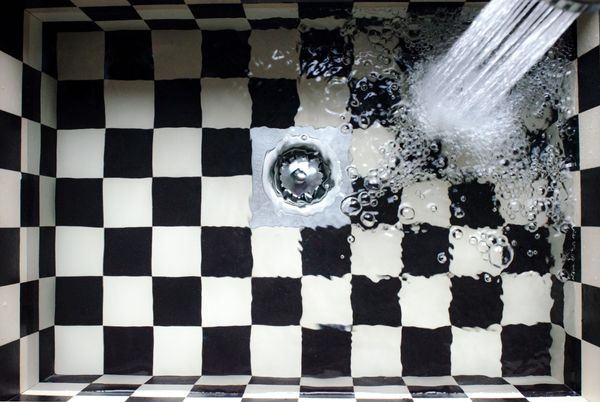
Bad smells rising from the floor trap indicate trapped decomposing matter—hair, soap, food particles, and organic debris that ferment and decompose in the drainage system. These odours intensify over time as blockage worsens and more material decomposes.
Floor trap keeps blocking even after basic cleaning or DIY clearing attempts, suggesting deeper pipe issues or structural problems in the drainage system. Recurring blockages indicate the full depth of the blockage was not cleared, only surface material.
Hair from showers and bathroom use accumulates in the floor trap, gradually restricting water flow. Every person in the household contributes hair daily—large families or people with long hair accumulate significant hair quickly. Hair tangles around debris and traps other blockage materials.
Soap, shampoo, body wash residue, and skincare products wash down shower and sink drains directly into floor traps. These products combine with minerals in water and hair to create viscous buildup that restricts flow.
Kitchen floor traps receive food particles, cooking oil residue, and organic matter from cleaning activities. These materials decompose in the trap, creating odors and blockages, especially when combined with grease that solidifies.
Singapore water contains minerals that accumulate inside floor traps and pipes. When combined with hair and soap, minerals create hard deposits that restrict flow. Mineral buildup also makes traps difficult to clean.
Some floor traps have poor drainage geometry or are positioned at problematic angles that encourage sediment accumulation. Older buildings may have structural settlement that changed drain slopes. Tree roots can penetrate drain pipes in older properties, creating catch points.
Slow drainage is the first warning sign of developing blockage. Address this before it becomes complete blockage that causes standing water and safety hazards.
If you can see the trap cover and notice significant hair or debris accumulation visible at the opening, significant blockage is developing. Professional clearing should be performed.
Bad smells rising from floor traps indicate decomposing material. These odors worsen over time and spread through your home. Odors suggest blockage is significant.
Bubbling, gurgling, or sucking sounds from the floor trap indicate trapped air and significant blockage. Address these sounds promptly.
Any visible water accumulation is a critical warning. This indicates severe blockage and immediate emergency response is necessary.
Delaying floor trap choke clearing allows water to accumulate on bathroom and kitchen floors, creating dangerous slip hazards that risk injuries, especially for children and elderly people. Continued water pooling damages flooring materials—wood warps, laminate separates, and tiles crack. Water infiltrating the floor structure causes structural rot and decay. In HDB units, water leaking through the floor damages the unit below, creating serious neighbor disputes and liability issues. Unpleasant odors intensify as decomposing matter accumulates and bacterial colonies expand. Electrical safety hazards develop if standing water contacts outlets, switches, or appliances. Mold growth in floor voids spreads to walls and creates health hazards, particularly respiratory problems. The longer you delay, the more extensive and expensive the eventual restoration becomes.
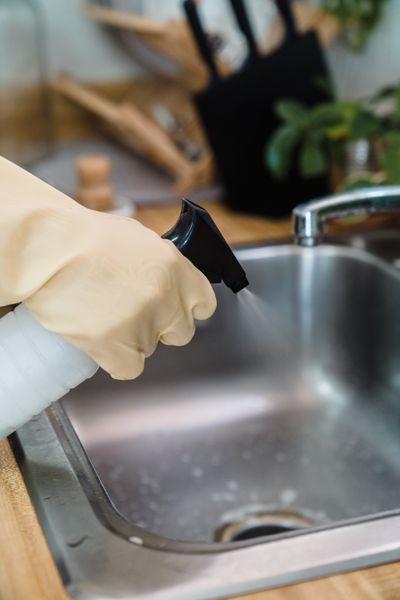
We carefully remove the floor trap cover, which may be sealed by years of mineral buildup, and visually inspect the trap chamber for visible blockages. We assess whether the blockage is in the trap itself or extends into the connecting pipes below the floor.
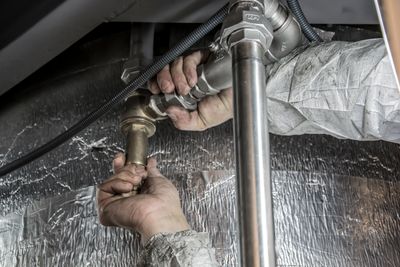
We use professional tools specifically designed for floor trap clearing to remove blockages deep within the trap and connecting pipes. Our equipment can reach well beyond the visible trap chamber where significant blockage often resides. This deep clearing prevents rapid re-blockage.
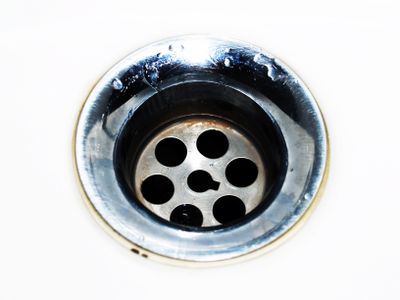
We thoroughly clean the trap housing, removing any residual buildup, decomposing matter, and odor-causing bacteria. We may apply cleaning solutions if necessary to remove stubborn mineral deposits or grease buildup that contributes to odors.
We test water flow to confirm the floor trap is draining properly at normal speed. We pour water through the system and observe drainage, listening for any remaining gurgling or unusual sounds that might indicate incomplete clearing.
We clear the full depth of the trap and connecting pipes, not just the surface material visible when the cover is first opened. This comprehensive approach prevents the blockage from returning within days or weeks.
Our cleaning removes the source of foul odours—decomposing matter and bacteria—rather than just masking symptoms with temporary solutions. After our service, unpleasant floor drain odours should be completely eliminated.
We are familiar with the floor trap systems used in all Singapore property types. HDB floor traps differ from condo systems—we understand these differences and apply appropriate clearing methods for each configuration.
Most floor trap chokes are resolved within 30-45 minutes of our arrival. We understand water pooling on floors is a safety and sanitation emergency and prioritize rapid response.
After clearing, we advise on preventive maintenance practices to reduce future blockage risk. We recommend cleaning schedules and may suggest drain covers or screens to keep hair out of floor traps.
We ensure the trap cover is properly sealed and sits flush with the floor after cleaning, preventing water from bypassing the trap or tripping hazards from raised covers.
HDB floor traps have specific designs that vary by block age and configuration. Our technicians are familiar with HDB drainage systems and floor trap designs across all estates. We understand how HDB floor traps connect to the main soil stack and drainage system.
Recurring blockages usually indicate that debris is accumulating deeper in the pipe system beyond the visible trap chamber. Professional clearing removes the full blockage depth rather than just surface debris. Recurring issues may also indicate that your floor has high hair volume (large family) or structural drainage problems requiring additional solutions.
Yes, if left unaddressed, a blocked floor trap can cause water to overflow from showers or sinks onto the floor, potentially damaging adjacent rooms and the structure beneath the floor. In HDB units, water can damage the unit below, creating serious liability issues. This is a critical problem requiring urgent attention.
We recommend having floor traps professionally cleaned every 6-12 months as preventative maintenance, even if they are not currently blocked. Regular cleaning prevents blockages from forming and maintains good drainage and hygiene. Families with high hair volume may need more frequent cleaning.
Odors come from decomposing organic matter—hair, soap residue, food particles, and skin cells—trapped in the floor trap. Bacteria decompose this material, creating unpleasant smells. Professional cleaning removes this material and the odor source completely.
The cover can often be opened, though sometimes mineral buildup makes it very difficult. However, professional clearing requires specialized equipment you likely do not have. We have the tools and expertise to clear deep blockages that DIY opening cannot address.
You can reduce blockage frequency by using drain covers or screens to trap hair before it enters the drain, regularly flushing the trap with hot water, and periodic professional maintenance. However, some blockage is nearly inevitable in active bathrooms and cannot be completely prevented.