Expert water heater repair and replacement for HDB flats and condos across Singapore. All brands and models serviced with same-day solutions.
A malfunctioning water heater disrupts your daily routine in ways that other plumbing issues cannot—no hot water for showers, bathing, cleaning, or cooking creates genuine hardship for your entire family. Whether your unit is not heating water at all, leaking, making unusual sounds, or producing inconsistent temperatures, RedDot Emergency provides professional water heater repair and replacement services tailored to Singapore homes. We service both instant (tankless) and storage water heaters commonly installed in Singapore HDB flats and condominium units, understanding the specific requirements and failure modes of each type. Instant water heaters, popular in Singapore because of space constraints, require technical expertise with heating elements, temperature sensors, and pressure valves. Storage tank heaters require knowledge of sediment removal, anode rod replacement, and tank integrity. Our technicians have worked with all major brands distributed in Singapore, from popular Asian manufacturers to European and American models available in local markets. We understand that hot water is essential—we prioritize same-day service and maintain same-day replacement availability for heaters beyond economic repair. Whether you need a simple component replacement, complete heater replacement, or installation of a new heater after renovation, we provide transparent advice and efficient service across neighborhoods like Tampines, Jurong, Sengkang, and throughout Singapore.

The heater is not producing hot water at all—water runs cold from the tap even after running for extended time. This is often caused by a failed heating element, broken thermostat, or faulty temperature sensor. In instant heaters, this indicates no ignition or heating is occurring. In storage heaters, the tank itself may be failing.
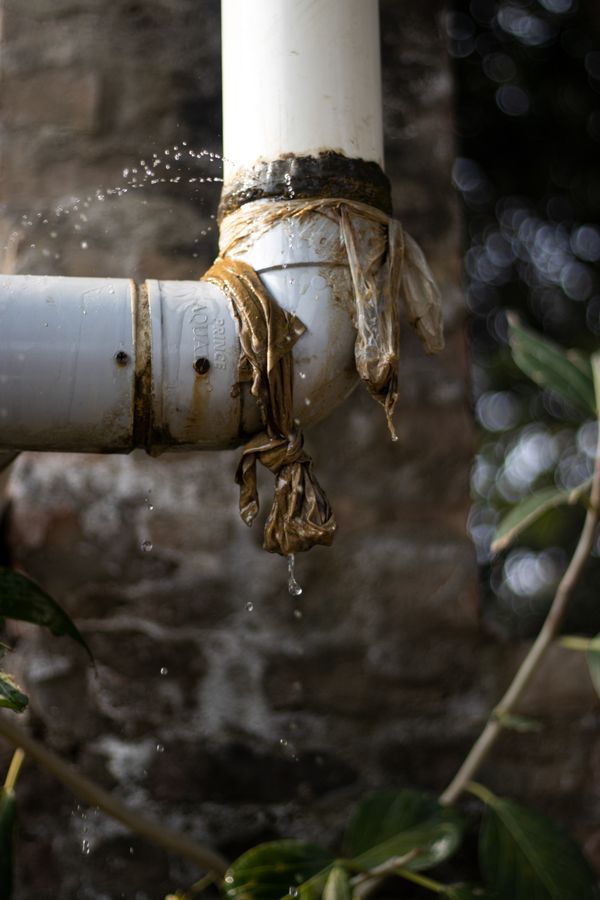
Water pooling around the unit or dripping from connections indicates a tank seal failure, corroded tank, or loose plumbing connections. Even small leaks worsen gradually and eventually result in complete tank failure. Leaking tanks cannot be reliably repaired and typically require replacement.
Water alternates between hot and cold, or does not reach the desired temperature even when set to maximum. This indicates thermostat failure, heating element problems, or in instant heaters, a mixing valve issue. The inconsistency makes the shower experience unpleasant and suggests the control system is failing.
Rumbling, popping, whining, or whistling sounds from the heater indicate sediment buildup in storage tanks, failing heating elements, or pressure valve problems. Noise suggests internal deterioration and increases risk of imminent failure. Noisy heaters often fail completely within weeks or months.
Electric heating elements eventually burn out after extended use, especially in instant heaters where elements operate continuously. Mineral deposits accelerate element deterioration by insulating them from water contact. Singapore's hard water accelerates this process.
Temperature control components fail due to electrical surges, age, or water damage. A failed thermostat cannot regulate temperature, resulting in either no heating or uncontrollable overheating. Digital sensor failures also disable modern smart heaters.
Minerals in Singapore water settle as sediment inside storage tanks, creating a barrier between the heating element and water. This causes poor heating efficiency and eventually burns out heating elements. Sediment also produces popping and rumbling sounds.
The metal tank interior deteriorates due to continuous contact with water. Once rust perforation begins, the tank cannot be reliably repaired. Singapore's tropical humidity accelerates external corrosion if the heater is not in a protected location.
Pressure relief valves prevent dangerous pressure buildup but fail due to mineral deposits, age, or manufacturing defects. Failed pressure valves prevent proper pressure regulation and create safety hazards. Water heaters without functional pressure relief are unsafe.
Even when the heater should have produced hot water, water remains lukewarm or cold. This is the most obvious warning sign that heating is failing. Do not delay—the heater is likely about to fail completely.
Any water dripping or pooling around the heater indicates connection failure or tank damage. Even small leaks worsen and eventually result in complete failure. Leaking heaters must be addressed immediately.
Rumbling, popping, hissing, or whistling sounds indicate internal deterioration. These sounds worsen over time and often precede complete failure by days or weeks. Address noisy heaters promptly.
Water appearing rusty, brown, or discolored indicates internal tank corrosion or rust accumulation. This water quality issue is unsanitary and suggests the tank is deteriorating.
Modern heaters display error codes when components fail. These codes indicate specific problems that may be repairable or may indicate the heater requires replacement. Research the code or contact us immediately.
Delaying water heater repair leaves you without hot water for extended periods, affecting hygiene, comfort, and daily routines. A heater starting to fail often fails completely within days or weeks—early repair prevents sudden loss of hot water. A leaking heater eventually floods water into surrounding areas, damaging flooring, electrical systems, and adjacent rooms, creating repair costs far exceeding the heater replacement cost. A failed pressure relief valve creates dangerous pressure buildup that can cause heater explosion or violent failure, posing genuine safety hazards. Rusty water from a corroding tank contaminates your entire plumbing system, requiring eventual water line cleaning. For HDB units, burst water heaters can damage the unit below, creating liability and neighbor disputes. The longer you delay, the more urgent the eventual repair becomes, often requiring after-hours emergency service that costs significantly more than daytime repair.
We test the unit thoroughly to identify the root cause of malfunction. For electric heaters, we test heating elements and thermostats. For gas heaters, we verify ignition, flame, and fuel supply. We check water temperature output, pressure, and any error codes on digital displays to establish exact failure causes.
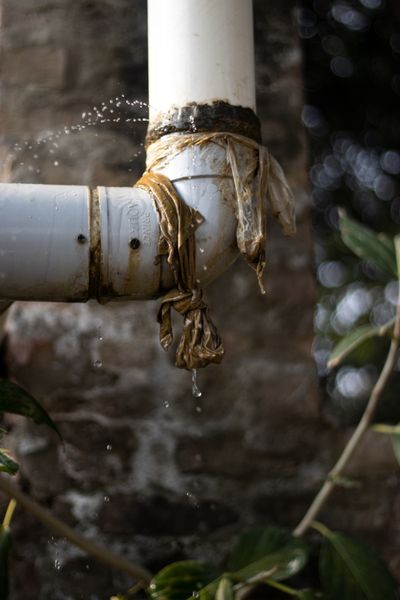
We determine whether the heater can be economically repaired or whether replacement is the better option. We provide a clear, detailed quote explaining our recommendation. A heater under 5 years old with repairable components is typically worth fixing. Older heaters with multiple failures or significant corrosion are better replaced.
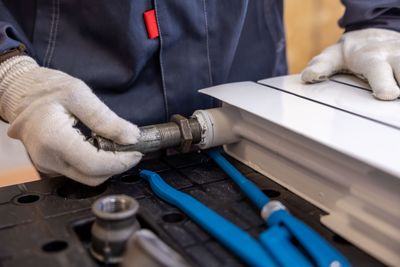
We carry out the repair using genuine replacement parts or install a new unit with proper connections, fittings, and safety devices. For replacements, we help you select an appropriate heater matching your hot water needs and space constraints. Installation includes proper gas/electrical connections, pressure relief valve installation, and insulation.
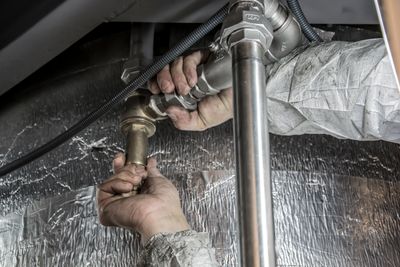
We verify proper operation by testing hot water output, temperature consistency, and pressure relief function. We check for leaks at all connections and inspect electrical or gas connections for safety compliance. For gas heaters, we verify proper combustion and venting.
We service instant heaters from brands like Ariston, Timberk, and Daikin, plus storage heaters from Rheem, Ferroli, and other major manufacturers. Our technicians have trained experience with diverse heater technologies and can work on nearly any model found in Singapore homes.
Our installations meet specific HDB and condo management requirements for hot water systems. We understand electrical load limitations in HDB units and venting requirements for gas heaters. All installations comply with Singapore Building Code and safety standards.
We provide transparent advice on whether repair or replacement is more cost-effective based on heater age, failure type, and parts availability. We never push replacements when repair is reasonable or suggest repairs for heaters beyond economic repair.
We aim to resolve water heater issues on the same day whenever possible. When replacement is necessary, we carry common heater models and can often install a replacement the same day your heater fails, minimizing time without hot water.
We understand that losing hot water during cold weather or winter months is especially uncomfortable. We provide emergency response for water heater failures, with charges disclosed for out-of-hours service.
Beyond repairing the immediate failure, we assess your hot water system overall—checking water pressure, circulation, and efficiency. We can recommend upgrades or additional components to improve performance.
HDB units have specific requirements for water heater installation, including electrical load calculations for electric heaters and venting requirements for gas models. Our installations comply with all HDB guidelines and building safety standards. We understand the constraints of HDB bathroom spaces and can recommend appropriate heater models.
Most water heater repairs are completed within 1-2 hours for diagnostics, parts replacement, and testing. If a replacement is needed, installation typically takes 2-3 hours depending on complexity of connections and heater type. We provide time estimates after inspection.
If your heater is under 5-7 years old and the repair cost is reasonable (typically less than 40-50% of replacement cost), repair is usually the better option. Heaters over 10 years old with recurring issues, significant corrosion, or tank leaks may benefit from replacement. We provide transparent cost-benefit analysis.
Yes, we install and repair both instant (tankless) and storage tank water heaters. Our technicians are experienced with the specific requirements, venting, and safety considerations of each type. We can help you decide which type is best suited to your home.
We recommend professional inspection of water heaters annually, especially in storage tanks where sediment buildup affects efficiency. Regular maintenance extends heater lifespan and prevents unexpected failures. For heavily used systems in larger families, more frequent servicing may be beneficial.
Small leaks at connections can sometimes be fixed by tightening fittings or replacing seals. However, leaks from the tank body itself indicate internal corrosion and tank failure—these tanks cannot be reliably repaired and require replacement. The cost of repair attempts usually exceeds replacement cost.
Quality instant heaters typically last 10-15 years with regular maintenance. Storage tank heaters generally last 8-12 years depending on water quality and usage. Factors like hard water minerals, low maintenance, and heavy usage can shorten lifespan significantly.