Fast sink choke repair for kitchen and bathroom sinks across Singapore. Professional clearing of clogs and blockages with preventive advice.
A blocked sink disrupts your daily routine and can cause unpleasant odours, water backup, and potential water damage to cabinets and flooring beneath the sink. Whether it is your kitchen sink clogged with food debris and grease, or a bathroom basin blocked with soap scum and hair, RedDot Emergency provides fast and effective sink choke repair services for homes across Singapore. Kitchen sink blockages differ significantly from bathroom sink chokes due to the nature of debris involved—kitchen chokes typically involve hardened grease, food particles, and occasionally utensil damage, while bathroom sinks usually accumulate hair, soap scum, toothpaste, and skincare products. Both require professional expertise to clear without damaging delicate sink traps and pipes. We understand that your kitchen and bathroom sinks are essential to daily hygiene, food preparation, and cleaning, so we prioritize same-day service and rapid response. Our technicians carry professional-grade equipment including mechanical augers, plumbing snakes, and access tools that clear blockages safely without harsh chemical drain cleaners that damage pipes. We serve HDB units in all neighborhoods including Bedok, Woodlands, and Sengkang, as well as private properties and condominium units throughout Singapore.
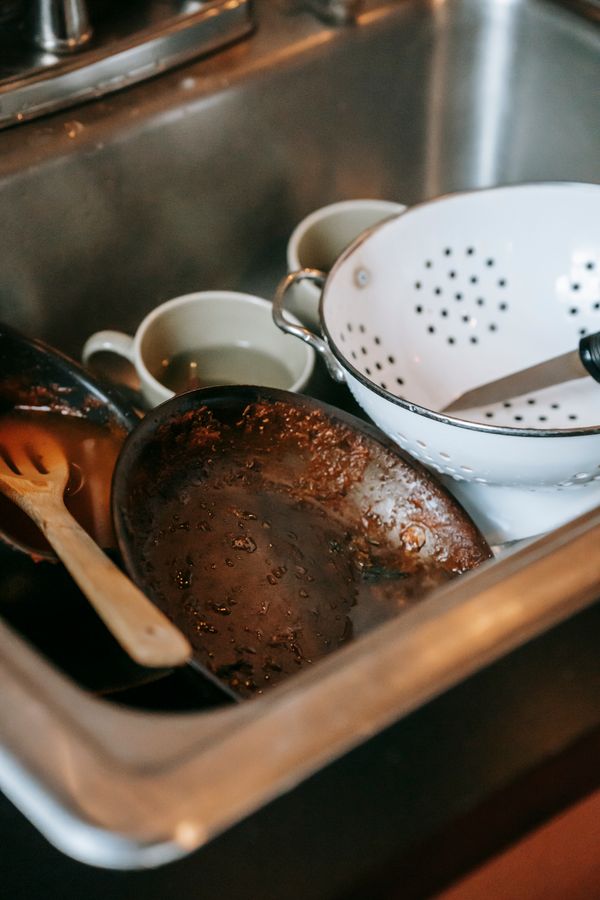
Water drains slowly, often taking 30+ seconds to completely empty even with minor water volume. Slow drainage indicates a partial blockage in the drain pipe or trap. In kitchen sinks, this is often caused by grease buildup. In bathroom sinks, it indicates accumulated hair and soap residue. Slow drainage worsens over time until the sink stops draining completely.
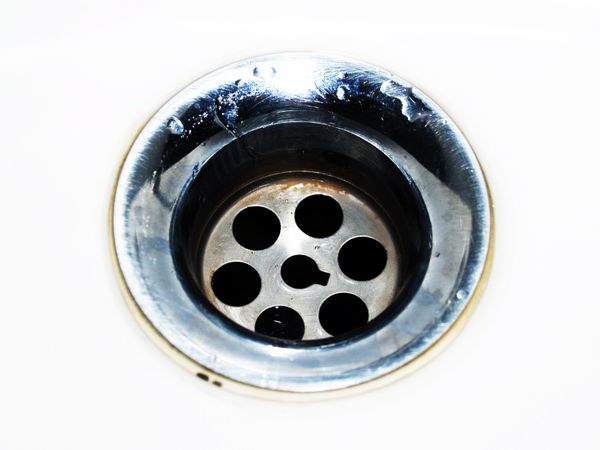
Water does not drain at all and pools in the sink basin, forcing you to manually empty it with a cup. This indicates a complete blockage in the S-bend trap or drain pipe. Complete blockages create sanitation concerns and prevent use of the sink until cleared.
Bad smells emanating from the drain indicate decomposing organic matter trapped in the pipes. Food particles, hair, and organic buildup ferment and decompose, creating particularly unpleasant odors in kitchen sinks. These smells intensify over time as blockage worsens.
Air trapped by blockages causes distinctive gurgling, bubbling, or sucking sounds when water drains from the sink. This acoustic warning indicates significant blockage is present and the blockage forces air through narrow gaps around the blockage mass.
Cooking oil and grease solidify as they cool in pipes, accumulating into blockages over time. Even small amounts of grease poured down drains add up—a sink used multiple times daily quickly accumulates enough grease to restrict water flow significantly. This is the leading cause of kitchen sink chokes.
Hair from washing faces, brushing hair over sinks, and cleaning in bathroom areas gets trapped in the drain. Hair accumulates around the drain screen and in the trap, catching soap and other debris. A single bathroom sink can trap significant hair over weeks.
Soap, shampoo, conditioner, and face wash residue accumulates in bathroom sink pipes, combining with minerals in water to create hard, crusty buildup. This soap scum narrows the pipe interior and eventually blocks flow completely.
Jewelry, small toys, dental floss, and other items accidentally dropped down sinks can lodge in the trap and create blockages. In kitchen sinks, dropped utensils or food can cause blockages.
Singapore water contains minerals that accumulate inside sink pipes. When combined with grease, soap, and other debris, mineral deposits create hard blockages resistant to simple clearing.
Slow drainage is the earliest warning sign of developing blockage. Address this before it becomes complete blockage. Hot water flushing or professional cleaning can often prevent complete choke if done early.
Food particles, hair, or soap residue visible in the sink indicate blockage is developing. Clear visible material and consider professional cleaning to prevent worse blockage.
Bad odors from a sink indicate decomposing material and bacterial growth in the drain. This is a sign that buildup has progressed significantly and warrants professional cleaning.
If water that should go down the drain instead backs up and fills the sink, significant blockage is present. This is a critical warning that the sink is nearing complete blockage.
Strange sounds from the drain indicate trapped air and significant blockage. Address these sounds before they lead to complete blockage.
Delaying sink choke repair allows the blockage to progress from slow drainage to complete blockage, rendering your sink unusable. Continued water backup can overflow the sink, damaging cabinets, flooring, and electrical outlets beneath the sink. In HDB units, water damage to lower floors creates liability and neighbor disputes. Unpleasant drain odors intensify and spread throughout your kitchen or bathroom as bacterial growth increases. In kitchen sinks, grease blockages become harder and more difficult to clear mechanically the longer they persist. Water pooling under sinks creates mold growth in cabinet spaces, contaminating food storage areas and creating health hazards. The longer you delay, the more aggressive clearing methods may be required, increasing the risk of pipe damage during repair.
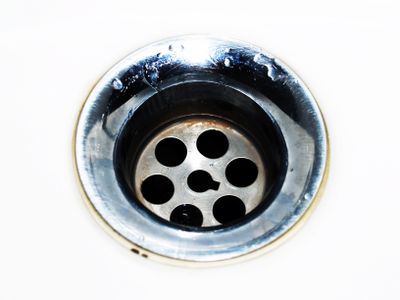
We examine the sink and drain carefully to identify the type and location of the blockage. Is it in the sink trap directly below, in the visible portion of the pipe, or deeper in the drainage system? We determine whether the blockage is caused by grease, hair, food particles, or other debris, which determines our clearing approach.
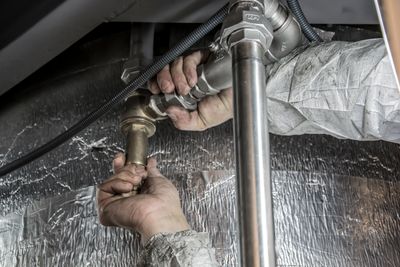
We use the most effective and pipe-safe method for your specific blockage. For minor blockages, we may use a plunger with proper technique. For grease buildup, we apply hot water treatment. For solid blockages, we use mechanical clearing with a snake or auger. We specifically avoid harsh chemical cleaners that damage pipes.
Beyond clearing the blockage itself, we clean the pipe surfaces to remove residual buildup that could cause future blockages. In kitchen sinks, we flush away grease residue. In bathroom sinks, we remove soap and hair accumulation that narrows the pipe.
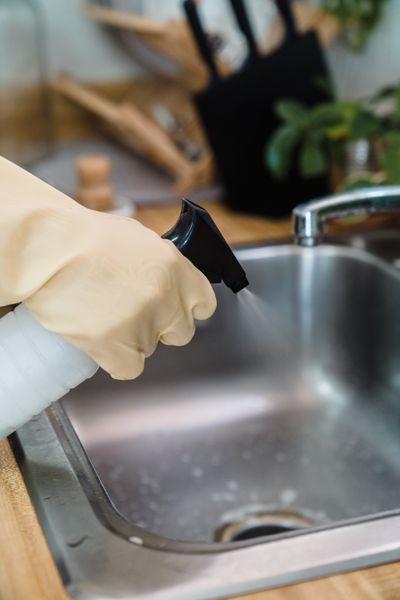
We run water through the drain to confirm proper flow and drainage at normal rates. We listen for any remaining gurgling sounds and observe water behavior to ensure the blockage is completely resolved and the pipe is clear.
Most sink chokes are cleared within 30-45 minutes of our arrival. We understand your sink is essential for daily routines and prioritize quick resolution. Complex blockages may take longer, but we complete most standard chokes on the same day you call.
We use professional clearing methods that do not damage your plumbing system. We avoid harsh chemical drain cleaners that corrode pipe interiors, and we apply appropriate force with mechanical tools to clear blockages without stressing pipe walls.
We handle both kitchen sink chokes from grease buildup and bathroom basin chokes from hair and soap scum. Each requires different clearing strategies, and our technicians know the specific approaches for each situation.
We advise on how to keep your sinks flowing freely, providing practical tips specific to your situation. For kitchen sinks, we recommend grease disposal methods. For bathroom sinks, we suggest appropriate drain maintenance practices.
We have specialized tools for accessing and clearing blockages in tight spaces like under-sink areas. We have drain snakes and augers of appropriate sizes for residential pipes, and we know how to apply them effectively without causing damage.
Service costs are clearly explained with no hidden fees or surprise charges. You understand the cost before work begins, making it easy to budget for the repair.
HDB kitchen and bathroom sinks have specific S-bend and trap configurations. Our technicians understand these layouts and can access them efficiently in HDB units without unnecessary cabinet demolition.
Kitchen sinks typically choke from accumulation of grease, food particles, and soap buildup that solidify in the trap and pipes. Bathroom sinks usually choke from hair, soap scum, toothpaste residue, and skincare product buildup. Both situations develop over weeks or months as blockage gradually restricts water flow.
Repeated use of harsh chemical drain cleaners can corrode pipes over time, especially in older plumbing systems. Chemical cleaners work by dissolving the blockage but also slightly dissolve pipe material, weakening pipes. Professional mechanical clearing is safer and more effective for stubborn blockages without pipe damage.
Use sink strainers to catch food particles and hair before they enter the drain. Avoid pouring grease down kitchen drains—dispose of grease in trash. Periodically flush drains with very hot water to dissolve buildup. Regular maintenance prevents most chokes from developing in the first place.
Yes, a plunger can be effective for minor blockages if used with proper sealing technique. You must completely seal the drain opening and apply firm, rapid plunging motions. However, plungers work best on shallow blockages and are less effective on deep or severe blockages.
Odors can come from trapped decomposing material deep in the pipe even if water drains. Bacteria and organic matter accumulate and ferment, creating odors. Professional cleaning and clearing removes this material and the odor source, which basic drain clearing may not accomplish.
Store-bought mechanical augers or plungers are safe to try for minor blockages. Chemical drain cleaners are less recommended due to pipe damage risk. If DIY methods do not work after a few attempts, professional service is more cost-effective and safer than repeated chemical treatments.